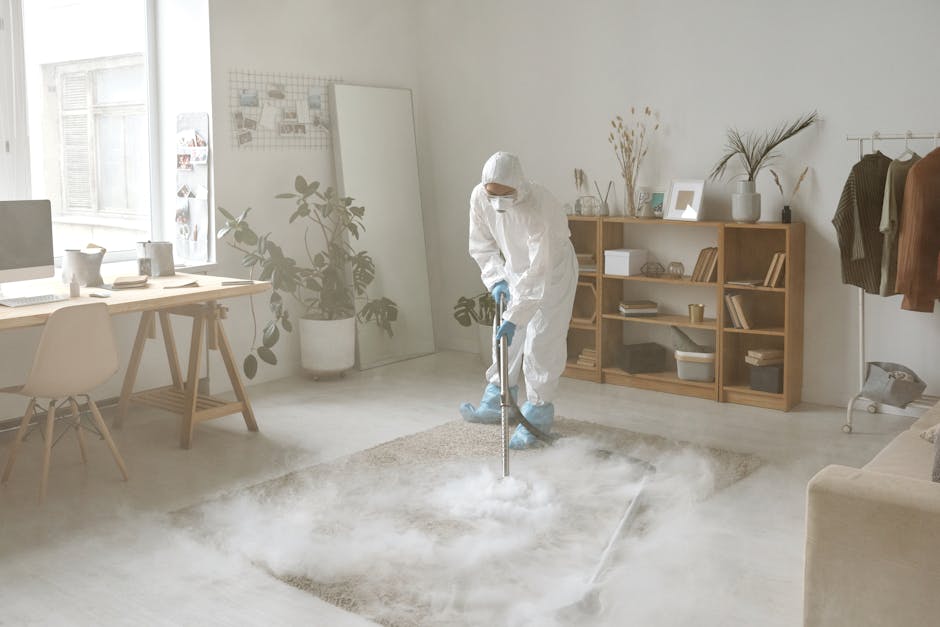
What to know about emergency carpet cleaning in West Hampstead
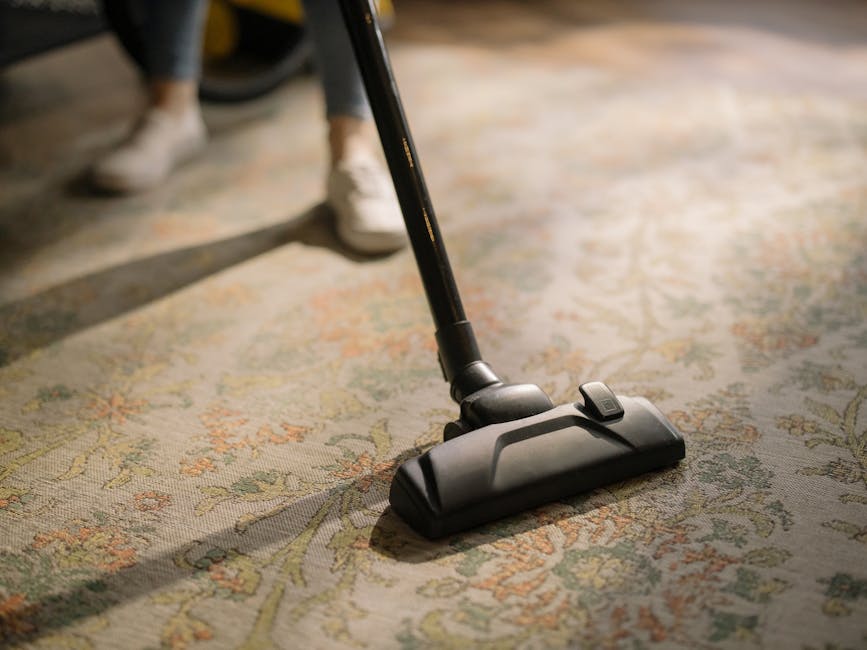
If a spill, flood, pet accident, or last-minute visitor has left your carpet looking rough, you do not need a lecture. You need clear steps, fast decisions, and a realistic idea of what emergency carpet cleaning in West Hampstead can actually solve. The good news is that many urgent carpet problems can be improved quickly if you act early and use the right approach. The slightly annoying part? Waiting too long often makes the job harder, smellier, and more expensive. This guide walks you through what matters, what to avoid, and how to judge whether you need a same-day carpet clean or a more targeted stain treatment.
West Hampstead homes and businesses see the usual mix of muddy shoes, busy hallways, pet mishaps, coffee spills, and the occasional "how did that even happen?" moment. Let's face it, carpets tend to absorb the drama of daily life. So if you are trying to protect a living room before guests arrive, recover a rental deposit issue, or keep a commercial space presentable, here is the practical version of what to know.
Why emergency carpet cleaning in West Hampstead matters
When a carpet gets hit with a spill or contamination, time is the real enemy. Tea, wine, sauces, pet urine, and tracked-in grime do not just sit on the surface. They sink into fibres, padding, and sometimes the underlay. Once that happens, you can end up with staining, odour, colour transfer, or a damp patch that lingers far longer than it should.
In a busy West Hampstead home, that might mean the hallway looks tired by Tuesday and smells damp by Thursday. In a rented flat, it can affect your relationship with the landlord or letting agent. In a shop, office, studio, or small practice, it can quietly undermine the whole impression of the space. People notice carpets. They may not say it, but they do.
Emergency carpet cleaning matters because it is part damage control, part presentation, and part hygiene. It is not only about making the carpet look better. It is also about reducing the chances of permanent marking, spreading odour, or creating a longer-term moisture issue. If the incident also affected nearby fabrics, it may make sense to look at sofa cleaning, upholstery cleaning, or even rug cleaning if the spill travelled.
Expert summary: The faster you treat a carpet incident, the more likely you are to save the fibres, reduce odour, and avoid a bigger restoration job later. Quick action matters, but so does using the right method for the stain.
How emergency carpet cleaning works
Emergency cleaning is usually less about one magic machine and more about a sensible sequence. A good cleaner will first identify the type of problem, the carpet fibre, and how deep the contamination has gone. That sounds simple, but it is the bit that stops a bad situation getting worse.
For example, a fresh coffee spill on a synthetic carpet is handled very differently from a pet accident on wool, or a muddy flood line after heavy rain. One may need quick extraction and spot treatment. Another may require odour treatment, hot water extraction, or a more careful low-moisture process. If a stain has already set, you may also need dedicated stain removal rather than a standard clean.
A typical emergency visit often follows this order:
- Assess the incident and ask what was spilled, when it happened, and whether anything has already been applied.
- Test the carpet fibre and colour fastness in a discreet area.
- Blot, lift, or extract excess moisture.
- Apply a suitable pre-treatment or stain solution.
- Use the chosen cleaning method, often steam carpet cleaning or hot water extraction where appropriate.
- Treat odour, residue, and any remaining marks.
- Speed up drying with air movement and clear guidance on aftercare.
If the issue is more widespread or the carpet has become generally grimy rather than hit by one incident, a scheduled carpet cleaning appointment may be the better fit. Emergency work is for the "right now" stuff. Not every carpet problem needs an urgent call, even if it feels like it at 7:30 in the morning before school run chaos.
Key benefits and practical advantages
The most obvious benefit is speed. If you tackle a spill quickly, you often reduce the chance of the stain setting. But there is more to it than that.
- Better stain recovery: Fresh spills are easier to lift before they bond to fibres.
- Odour control: Pet accidents and food spills can leave lingering smells if they are not dealt with promptly.
- Less disruption: A focused emergency clean is usually quicker than replacing carpet or treating a deep-set problem later.
- Improved appearance: A clean landing, hallway, or reception area changes how the whole property feels.
- Protection of other surfaces: The spill may also have reached curtains, sofas, or mattresses nearby.
One practical advantage people often overlook is confidence. When a cleaner turns up prepared, explains the process plainly, and gives realistic expectations, the stress comes down immediately. That matters. Nobody wants to be told every mark will vanish completely when that is clearly not guaranteed. Honest guidance is a benefit in itself.
There is also a commercial angle. For landlords, agents, and local businesses, a fast response can help keep a property tidy enough to show, rent, trade, or reopen without embarrassment. If you need ongoing support for workplace floors, it may be worth looking at commercial carpet cleaning as well, because recurring traffic marks are a different beast from one-off accidents.
Who this is for and when it makes sense
Emergency carpet cleaning makes sense for anyone who has a time-sensitive carpet problem and wants to limit the damage. In West Hampstead, that often includes:
- tenants dealing with a spill before an inspection
- landlords and agents preparing a property for viewings
- families with children, pets, or frequent visitors
- homeowners dealing with flood splashback or mud tracked in during wet weather
- cafes, studios, clinics, and offices that need presentable flooring fast
It is especially useful when the carpet is still wet, the stain is fresh, or the smell has just started. That first window is where you have the best chance of success. If the issue happened days ago, it is still worth asking for help, but the approach may need more patience and more targeted treatment.
Sometimes the problem is not the carpet itself. A water stain on a nearby curtain, a drink spill on a chair, or a pet accident on a rug can spread the sense of mess. In those cases, linked cleaning services such as curtain cleaning or mattress cleaning can make more sense than isolating just one item. Real life is rarely neat, sadly.
Step-by-step guidance
If you are dealing with an urgent carpet issue right now, keep the process simple. People often over-handle the spot and make it worse. A calm, basic response usually beats panic-cleaning with three different products and a tea towel that has seen better days.
1. Stop the spread
Prevent more of the spill from sinking in. If it is liquid, blot gently with clean absorbent cloths or plain paper. Do not scrub. Scrubbing pushes the stain deeper and can roughen the pile.
2. Identify the problem
Try to establish what caused the mark. Was it wine, coffee, ink, milk, mud, urine, or standing water? The more you know, the easier it is to choose a suitable treatment. If you are not sure, say so. That honesty helps.
3. Avoid random chemicals
Bleach, harsh detergents, and over-the-counter sprays can react badly with dyes and fibres. They can also set certain stains. When in doubt, leave it alone until a specialist assesses it.
4. Protect surrounding areas
Move furniture if it is safe to do so. If the spill is near curtains, upholstery, or a rug, consider whether those surfaces also need attention. It is easier to address all affected areas in one visit than to keep chasing the problem around the room.
5. Call for urgent help if needed
If the stain is spreading, the room smells damp, or the carpet has been soaked, you may need a faster professional response. At that stage, quick extraction and drying matter more than trying every home remedy you can find at midnight. For a broader appointment and service detail, many people start with steam carpet cleaning because it suits a wide range of common carpet issues, though it is not always the best method for every fibre.
6. Follow aftercare advice
Once the carpet has been cleaned, keep traffic down until it is properly dry. Open windows if weather allows, use fans where appropriate, and avoid placing furniture back too soon. That last part is small, but it matters more than people think.
Expert tips for better results
Here is where a few practical details make a big difference.
- Act early, but gently. The goal is to lift, not grind.
- Use cool water first for many fresh spills. Hot water can set some stains, especially protein-based ones.
- Test cleaning products discreetly. Even "gentle" products can change colour on some carpets.
- Keep notes about what happened. If you call a cleaner, tell them what was spilled, what you already tried, and how long it has been there.
- Ask about drying time. Emergency cleaning is not finished when the visible stain fades. Drying is part of the job.
Another useful point: if the carpet has a recurring smell, especially after a pet accident, ask whether odour treatment is needed in addition to surface cleaning. A quick cosmetic fix can look fine for a day, then the smell comes back when the room warms up. Annoying, yes. Common, also yes.
For stubborn pet-related incidents, specialised pet stain odour removal can be much more effective than general cleaning alone. If the problem is a visible mark rather than smell, pair it with proper stain treatment. The right match matters.
Common mistakes to avoid
Most carpet damage after a spill comes from well-meant mistakes. That is the frustrating part. People are trying to help, but the fix ends up being the problem.
- Scrubbing too hard: This pushes the stain deeper and can distort fibres.
- Using too much water: Over-wetting can spread the issue and slow drying.
- Mixing products: Some combinations can damage carpet dyes or leave residue.
- Ignoring the underlay: A stain that seems surface-level may already have soaked through.
- Waiting for it to dry on its own: That is how smells settle in and marks become stubborn.
- Putting furniture back too soon: This can transfer moisture or leave dents and marks.
One more common slip: people assume every carpet fibre handles the same method. It does not. Wool, synthetic blends, and delicate rugs all need a different touch. If the carpet is valuable, textured, or a bit old and temperamental, say that up front. It helps.
Tools, resources and recommendations
You do not need a van full of equipment to respond sensibly to a carpet emergency. A small, practical set of tools is often enough until help arrives.
- clean white cloths or paper towels
- plain water for gentle blotting
- a fan or safe air movement for drying
- a list of what was spilled and when
- photos of the damage if you may need to report it
If you are comparing services, look for a cleaner who explains the method rather than just promising miracles. Ask whether they inspect the carpet first, whether they use extraction, how they handle odour, and how long drying is likely to take. If the incident is part of a wider household refresh, you might also look at upholstery cleaning or rug cleaning while the team is already on site.
On the business side, it helps to use a company that can talk clearly about service scope, scheduling, and what happens if something goes wrong. That is where service pages such as pricing and quotes, payment and security, and insurance and safety become useful reading before you book. Not exciting, maybe, but very sensible.
Law, compliance, standards, or best practice
Emergency carpet cleaning is not usually a heavily regulated activity in the way some specialist trades are, but good practice still matters. In the UK, reputable cleaners should take safety seriously, use products responsibly, and work in a way that reduces risk to occupants, property, and themselves.
That means sensible risk assessment, care around electrical equipment, and attention to slip hazards while carpets are drying. If a property is occupied, the cleaner should also think about ventilation and access, especially in tighter West Hampstead flats where hallways can be narrow and furniture is close together. It is the unglamorous stuff that prevents accidents.
For commercial spaces, there is also a practical expectation that cleaning will not create unnecessary disruption or hazards for staff and visitors. A clear method, clear timings, and plain aftercare guidance are part of good professional behaviour. If you want a better sense of how a company handles these basics, pages like health and safety policy and terms and conditions are worth checking.
Best practice is simple: use the least aggressive method that will solve the problem, be honest about what may remain, and avoid turning a stain into a safety issue. That is the standard worth expecting.
Options, methods, or comparison table
Different emergencies need different approaches. Here is a simple comparison of common options.
| Method | Best for | Strengths | Limits |
|---|---|---|---|
| Blotting and local spot treatment | Fresh spills and small accidents | Fast, low-cost, ideal as first response | Not enough for deep stains or odour |
| Hot water extraction / steam cleaning | General carpet soiling, many liquid spills, embedded dirt | Deep clean, good for refreshing fibres | Can over-wet delicate carpets if used poorly |
| Targeted stain removal | Ink, wine, food marks, set stains | Focused treatment for stubborn marks | Success depends on stain type and timing |
| Odour treatment | Pet accidents, damp smells, lingering organic odours | Addresses smell as well as appearance | May need more than one pass if contamination is deep |
| Full carpet clean | Wider property refresh after the urgent issue is handled | Helps restore overall appearance | Not a substitute for immediate emergency response |
If the problem began as a single stain but has now spread across a room, the best choice may shift from spot treatment to a full clean. A good cleaner will say so without fuss. That honesty saves everyone time.
Case study or real-world example
Picture a West Hampstead family on a Friday evening. Someone knocks over a mug of coffee in the living room, and it runs into the carpet near the sofa. A pet comes over, sniffs the wet patch, and of course that makes everyone more nervous. Classic. The stain is dark, the room is busy, and guests are due the next day.
The sensible response is straightforward. First, blot the spill without rubbing. Second, keep the area clear so it does not get walked into the pile. Third, check whether the stain has reached the sofa base or nearby rug. Then call for an urgent clean and explain exactly what happened. If the cleaner can inspect promptly, they can choose a method based on the carpet fibre and the stain type rather than guessing.
In cases like this, a fast intervention often means the difference between a visible patch and a carpet that goes back to normal after drying. Not perfect magic, but close enough to make the weekend less stressful. And honestly, that is often the real win.
Practical checklist
Use this quick checklist when a carpet emergency happens.
- Blot the spill gently with a clean cloth.
- Do not scrub or soak the area.
- Identify the source of the stain if possible.
- Keep shoes, pets, and foot traffic away from the spot.
- Take a photo if you need a record for a landlord, agent, or insurer.
- Avoid mixing cleaning products.
- Check whether nearby rugs, upholstery, or curtains were affected.
- Ask about drying time before furniture is moved back.
- Choose a targeted method rather than a one-size-fits-all fix.
- Follow the aftercare instructions all the way through.
Quick takeaway: The less you disturb the stain and the faster you respond, the better your chance of saving the carpet. Simple, but true.
If you are weighing up your next move, it can help to review service details and company information before booking. The pages on about us, recycling and sustainability, and contact us can help you understand how the team works and how to reach them when time matters.
Conclusion
What to know about emergency carpet cleaning in West Hampstead comes down to this: act quickly, keep the treatment sensible, and match the method to the problem. A fresh spill is not the same as a deep-set stain. A pet accident is not the same as muddy foot traffic. And a wet patch in a busy home is not just a cosmetic nuisance; it is often a countdown clock.
The best results usually come from calm decisions, honest communication, and a cleaner who knows when to use a targeted spot treatment versus a fuller restoration approach. If you remember nothing else, remember this: less rubbing, less delay, more clarity. That alone can save a lot of grief.
Get a free quote today and see how much you can save.
When the carpet is sorted, the room tends to breathe easier again. Funny how a floor can change the whole feel of a place, but it really does.
Frequently Asked Questions
How fast should I act after a carpet spill?
As fast as you reasonably can. The first few minutes matter most because fresh spills are easier to blot and less likely to bond deeply into the fibres. Even if you cannot get professional help right away, gentle blotting is better than leaving it alone.
Can emergency carpet cleaning remove every stain?
Not always, and a trustworthy cleaner should never promise that. Some stains are permanent, some react with fibre dyes, and some have already set too deeply. What emergency cleaning can often do is improve the appearance significantly and reduce odour or spread.
Is steam carpet cleaning suitable for urgent jobs?
Often, yes, but not in every case. Steam or hot water extraction works well for many general carpet issues, though delicate fibres or certain stains may need a lighter or more targeted approach first. It depends on the carpet and the incident.
What should I do before the cleaner arrives?
Blot the area gently, keep traffic away, avoid adding products, and note what caused the stain if you know. If furniture or nearby fabrics were also affected, mention that too. Small details save time.
Will the carpet stay wet for a long time?
Drying time varies by method, room ventilation, fibre type, and how much liquid was involved. A well-handled emergency clean should include clear drying guidance. If the carpet feels soaked for an unusually long time, ask about airflow and extraction.
Can I use store-bought stain remover first?
You can, but be careful. Some products help, others set the stain or damage fibres. If you do use anything, test it discreetly first and avoid mixing multiple cleaners. When in doubt, stop and get advice.
Does pet urine need special treatment?
Usually, yes. Pet urine can affect both the visible stain and the underlying odour, so it often needs more than surface cleaning. That is why dedicated pet stain and odour treatment is often a better choice than a standard wipe-down.
Are emergency carpet cleaning services suitable for businesses?
Absolutely. Shops, offices, studios, and clinics often need urgent cleaning because appearance and hygiene matter during trading hours. Commercial spaces also benefit from clear scheduling and minimal disruption, so the cleaner's process matters just as much as the result.
How do I know if the stain reached the underlay?
If the carpet feels very wet, smells stronger than expected, or the mark keeps reappearing after drying, the liquid may have gone deeper than the surface. A professional inspection is usually the safest way to judge that properly.
What if the carpet is wool or a delicate fibre?
Say so immediately. Wool and delicate fibres need extra care because strong chemicals or too much moisture can cause problems. A cautious, tested method is far better than a heavy-handed clean.
Is emergency cleaning more expensive than a standard visit?
It can be, because urgent callouts, faster scheduling, and specialised stain treatment may require more time or equipment. The exact cost depends on the issue, the size of the affected area, and how deep the damage goes. Asking for a clear quote is the simplest way to avoid surprises.
Can I get help if the spill happened on a rug or sofa too?
Yes, and that is often sensible. Spills rarely stay in one place, especially in living rooms. If the incident affected nearby soft furnishings, related services such as rug or sofa cleaning may be worth considering alongside the carpet clean.