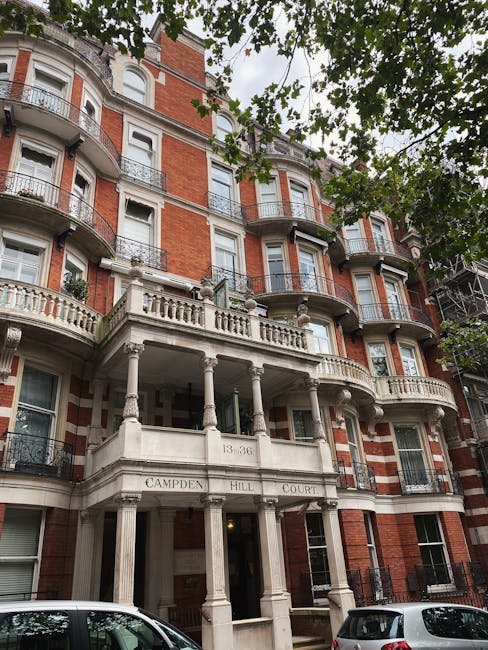
Access problems for West Hampstead cleaning in flats with lifts: a practical guide for residents, landlords, and cleaners
If you live in a West Hampstead flat with a lift, you might assume access is the easy part. Then reality kicks in: the lift is out of service, the corridor is too narrow for equipment, the concierge wants advance notice, or the building rules change at the last minute. Access problems for West Hampstead cleaning in flats with lifts are common enough that they deserve proper planning, not guesswork.
This guide explains what usually gets in the way, why it matters, and how to handle it without turning a simple clean into a stressful day. Whether you are arranging carpet cleaning, sofa cleaning, or a full flat refresh, the key is the same: make access straightforward before the van arrives. Truth be told, that saves everyone time, noise, and a bit of frustration.
For service expectations, company details, and practical policies, you may also find it useful to review the site's about us information and health and safety policy.
Table of Contents
- Why access problems in lift-served flats matter
- How access planning works in practice
- Key benefits of getting access right
- Who this is for and when it makes sense
- Step-by-step guidance
- Expert tips for better results
- Common mistakes to avoid
- Tools, resources and recommendations
- Law, compliance, standards, and best practice
- Options, methods, and comparison table
- Case study or real-world example
- Practical checklist
- Conclusion
- Frequently asked questions
Why access problems for West Hampstead cleaning in flats with lifts matters
In a flat with a lift, access sounds simple on paper. In practice, it can shape the whole job. If the lift is small, temporarily unavailable, or shared with many residents, a cleaner may need extra time just to move equipment, protect floors, and reach the property safely. That affects timing, pricing, and sometimes even the choice of cleaning method.
West Hampstead has a mix of period conversions, newer apartment blocks, and managed buildings. That variety is great for character, but it also means there is no single access setup that fits every property. One building may have a concierge and wide lift; another may have a lift with strict booking slots; another may have a lift that is technically there, but not very helpful when you are carrying a machine, hose, and drying tools. You know the type.
The issue matters because poor access can lead to avoidable delays, damage to communal areas, missed appointments, or rushed work. And nobody wants a wet hallway or a grumpy neighbour at 9 a.m. on a Tuesday.
Expert summary: the best cleaning results in lift-served flats usually come from good pre-visit access planning, clear building instructions, and the right method for the space rather than the biggest or most powerful machine.
How access problems for West Hampstead cleaning in flats with lifts works
Good access planning starts before the cleaner sets foot in the building. It usually involves a short run-through of the route from street to flat: entrance, reception desk if there is one, lift size, corridor width, parking or loading position, and any restrictions on entry times.
A cleaner may need to know:
- Whether the lift is available all day or only at set times
- If the building requires keys, fobs, or concierge sign-in
- Whether there is enough room for portable equipment in the lift
- Whether stair access is a backup if the lift fails
- If communal areas need protection from hoses, damp shoes, or cleaning solution
- Whether neighbours are sensitive to noise, especially early morning or evening
This matters for different services in different ways. Carpet cleaning often needs heavier equipment and more water handling. Upholstery cleaning may need less kit but more manoeuvring around furniture. Mattress cleaning or stain removal can be lighter on equipment, but still needs clear access and enough room to work properly. A lift can help, but only if it is usable in a practical sense, not just present in the building brochure.
On top of that, some buildings have their own rules about service contractors. A cleaner may be asked to use a service entrance, sign in with ID, or avoid peak times. These are not usually a problem if they are explained early. Last-minute surprises are what throw things off.
Key benefits and practical advantages
Handling access properly brings a lot of small but meaningful benefits. The gains are not flashy, but they are real.
- Less wasted time: no one is standing in the lobby trying to work out who has the fob.
- Lower risk of disruption: clear routes and booked lifts reduce friction with neighbours and building staff.
- Better cleaning quality: the cleaner can focus on the work instead of squeezing equipment through tight spaces.
- Less chance of damage: better planning protects lifts, walls, skirting boards, and flooring.
- Smoother scheduling: the job is more likely to start and finish on time.
- More accurate quoting: if access is unusually complex, the quote can reflect reality rather than assumptions.
There is also a trust benefit. When a cleaner asks sensible questions about access, it signals professionalism. It shows they are thinking ahead, not just turning up and hoping for the best. That may sound small, but in a shared building it makes a difference.
If you are comparing services, pricing transparency and booking clarity matter too. The site's pricing and quotes page and payment and security information are useful reference points for understanding what to expect.
Who this is for and when it makes sense
This topic matters to more people than you might think.
- Tenants who need a one-off clean before moving out or after a busy spell
- Homeowners in apartment blocks who want carpets, sofas, rugs, or curtains cleaned properly
- Landlords and letting agents arranging end-of-tenancy or pre-let cleaning
- Concierges and building managers who need to coordinate access with minimal disruption
- Busy households that want the job done efficiently without carrying equipment up several flights of stairs
- Anyone in a managed block where lift access is limited, shared, or time-restricted
It makes sense any time the property is not a straightforward front-door job. If a cleaner needs to move from street to lift to corridor to flat, there are at least four chances for things to go slightly sideways. Not dramatic. Just annoying enough to matter.
It is especially relevant if you are booking more than one service, such as steam carpet cleaning together with upholstery cleaning, because the volume of equipment and the time on site can be higher than expected.
Step-by-step guidance
Here is a sensible way to handle access problems in lift-served flats. It is not complicated, but it does help to be methodical.
- Confirm the building setup. Check whether the lift works, whether it is passenger or goods sized, and whether there are any restrictions on using it for contractors.
- Tell the cleaner about the route in. Mention reception, intercom, side entrances, parking issues, and any need to collect a fob or be escorted. Small detail, big difference.
- Share timing limits. If the lift is unavailable during busy hours or there is a concierge window, say so before the booking is fixed.
- Flag anything awkward. Tight turns, low ceilings, shared foyers, and long corridors can affect the equipment choice.
- Prepare the flat. Clear access to the rooms being cleaned, move small items off the floor, and make sure the path from lift to flat is open.
- Protect communal spaces where needed. A professional cleaner should be prepared to use mats, corner guards, or other sensible precautions.
- Keep a backup plan. If the lift fails on the day, decide whether rescheduling, stair access, or a lighter method is the best answer.
That last point matters. Lift failure is one of those building issues that nobody wants, yet it happens often enough to plan for. If there is no backup route, the job may need to move. Better that than forcing a half-workable solution.
A simple way to brief the cleaner
Before the appointment, it helps to write a short message with the essentials:
- Full address and flat number
- Lift location and any access code or fob system
- Whether the lift can take cleaning equipment
- Any booking rules from the building management
- Nearest parking or loading point
- Any health, safety, or noise concerns
Short and boring is fine here. In fact, short and boring is perfect.
Expert tips for better results
In our experience, the smoothest jobs usually come from a few habits that are easy to overlook.
First, think in terms of route and weight, not just room count. A one-bedroom flat can be harder to access than a three-bedroom maisonette if the lift is tiny and the corridor bends sharply twice before you even get there.
Second, ask whether the building has any quiet hours. This is especially useful in blocks where neighbours work shifts or where the lift is close to bedrooms. A little consideration goes a long way.
Third, be honest about parking. If the cleaner may need to unload near the entrance, say so. Street parking in West Hampstead can be straightforward one day and irritating the next. Let's face it, London parking keeps everyone humble.
Fourth, choose the cleaning method with access in mind. Some jobs are better suited to lower-moisture or more portable methods, especially if there is limited space for hoses, drying airflow, or equipment turnaround. For heavily soiled areas, carpet cleaning may still be the best option, but the access route needs to support it.
Fifth, protect the lift and hall before you start. If a machine bumps into a lift door or leaves moisture behind, it is not just your problem. It affects everyone in the building. A careful cleaner will work to avoid that, but preparation helps.
Sixth, do not leave access notes in your head. Write them down. Or send them. Memory is not a system, even if we all pretend it is.
Common mistakes to avoid
Most access issues are avoidable, which is both good news and slightly maddening. The same mistakes come up again and again.
- Assuming the lift is large enough. Some lifts fit people comfortably but make equipment handling awkward.
- Not checking the building rules. A contractor may need to sign in, book a slot, or use a service entrance.
- Forgetting about drying space. A clean is not finished when the tool is packed away; drying and airflow matter too.
- Booking during peak building traffic. School runs, office hours, and evening return times can all clog up lift access.
- Not telling the cleaner about long corridors or awkward corners. Those details affect labour time and the route for equipment.
- Ignoring shared-space protection. Hallways and lifts should not be treated like disposable packaging.
- Leaving pets, children, or furniture in the path. A blocked route slows everything down and increases the chance of a mishap.
A small mistake can become a full delay. A big mistake can become a complaint. If you have ever watched someone struggle with a loaded trolley in a narrow lift, you will know exactly why planning matters.
Tools, resources and recommendations
You do not need a toolbox the size of a builder's van to manage access properly. A few sensible tools and documents usually do the job.
- Access notes for the cleaner, concierge, or property manager
- Building entry details such as flat numbers, fob instructions, and key collection steps
- Floor protection materials where appropriate, especially for busy communal areas
- Measuring awareness of lift width, corridor turns, and doorway clearance
- Service selection that matches the building layout and the item being cleaned
If you are arranging multiple items in one visit, it is worth looking at the relevant service pages so you can match the work to the access conditions. For example, a flat with easy lift access might suit a combined visit for rug cleaning, sofa cleaning, and mattress cleaning. If the route is tighter, the cleaner may need to adapt the sequence or suggest a different setup.
It also helps to understand the company's broader standards. The pages on insurance and safety, accessibility statement, and recycling and sustainability give a better sense of how responsible cleaning work is handled beyond the visible shine on the carpet.
Law, compliance, standards, and best practice
For domestic cleaning in flats, the main practical point is not legal technicality; it is duty of care. Cleaners, residents, and building managers all need to avoid unnecessary risk and prevent damage to communal property. In UK settings, that usually means sensible risk assessment, clear communication, and respect for building rules.
Best practice generally includes:
- Confirming safe access before the appointment
- Avoiding obstruction of fire routes and shared exits
- Using equipment in a way that does not damage lifts, walls, or flooring
- Taking care with wet processes in shared areas
- Being clear about who is responsible for entry, supervision, and sign-in
Insurance matters too. If something gets scratched, marked, or left wet, the cleaner should be properly insured and able to explain the next step. For readers who want reassurance on that point, the site's insurance and safety information is the right place to look.
There is also a useful distinction between access difficulty and unsafe access. A tight lift is awkward. A blocked escape route, a broken lift with no safe alternative, or a route that exposes equipment to hazards is more serious. If the setup feels unsafe, pause and reassess. No clean is worth a bad injury or a damaged building.
Options, methods, and comparison table
Different access setups call for different approaches. The best option depends on the building, the item being cleaned, and how much equipment needs to travel through the property.
| Method | Best for | Access considerations | Typical advantage |
|---|---|---|---|
| Steam-based carpet cleaning | Heavier carpet grime, fuller room cleans | Needs space for equipment and a workable lift route | Deep clean and strong refresh |
| Upholstery cleaning | Sofas, armchairs, fabric seating | Often easier to move than larger carpet systems | Flexible in tighter flats |
| Rug cleaning | Loose rugs and smaller textile items | Can be simpler if items are transportable | Good for selective cleaning |
| Stain removal | Targeted spills and marks | Usually lighter on equipment | Useful where access is limited |
| Pet stain and odour removal | Homes with pets and recurring smells | May need extra treatment time | Helps tackle lingering issues |
The table is not a rigid rulebook, of course. A skilled cleaner will adapt. But it does show why access and method should be planned together. If the lift is awkward, choosing the simplest effective approach can be smarter than forcing a heavy one through a tight route.
Case study or real-world example
Here is a realistic scenario. A resident in a West Hampstead apartment block books a living room carpet clean and a sofa clean for a Friday morning. The building has a lift, but it is small, and the concierge asks that contractors arrive after 10 a.m. because of school-run traffic through the lobby. The resident also forgets to mention that the lift is being serviced the day before.
Without planning, this becomes messy very quickly. The cleaner arrives early, cannot use the lift, and has to wait while the resident contacts building staff. By the time access is sorted, the appointment is running behind, neighbours are moving through the lobby, and everyone feels a bit frazzled.
Now compare that with the better version. The resident flags the lift booking issue in advance, gives the concierge's preferred timing, and confirms the route from entrance to flat. The cleaner arrives with the right equipment, knows the access window, and finishes without disruption. Same job, same property. Very different experience.
That is really the point. Most access problems are not about drama; they are about missing details. Once those details are handled, the whole thing feels much lighter.
Practical checklist
Use this checklist before the appointment. It takes a few minutes and can save a great deal of hassle.
- Have I confirmed the lift is working and available?
- Have I shared the flat number, entry instructions, and any fob or intercom details?
- Have I warned the cleaner about narrow hallways, steps, or awkward turns?
- Have I checked whether building management has rules for contractors?
- Have I mentioned parking, loading, or concierge restrictions?
- Have I cleared the route from the lift to the rooms being cleaned?
- Have I removed fragile items, loose cables, and clutter from the access path?
- Have I told the cleaner about pets, children, or noise sensitivities?
- Have I asked what happens if the lift is unavailable on the day?
- Have I reviewed the relevant service and policy pages so expectations are clear?
If you want to be extra prepared, it is sensible to read the site's terms and conditions and contact us information before booking anything. A few minutes of checking now can save an awkward conversation later.
Conclusion
Access problems for West Hampstead cleaning in flats with lifts are usually manageable, but only if they are treated as part of the job rather than an afterthought. The lift itself is only one piece of the puzzle. Entry, timing, building rules, parking, equipment size, and shared-space care all matter just as much.
When access is planned properly, cleaning is calmer, faster, and more effective. That is good for the resident, good for the cleaner, and good for the building. Not a bad outcome for a few well-timed messages and a bit of common sense.
Get a free quote today and see how much you can save.
If you are still unsure what level of access preparation your flat needs, start small: confirm the lift situation, gather the entry details, and speak plainly about anything awkward. That simple step usually turns a stressful booking into an easy one.
Frequently Asked Questions
What are the most common access problems in flats with lifts?
The most common issues are small lifts, temporary lift outages, concierge booking rules, tight corridors, and unclear building entry instructions. These are practical problems, not unusual ones.
Do cleaners need the lift booked in advance?
Sometimes, yes. Many managed buildings prefer advance notice for contractors, especially if the lift is shared, limited, or controlled by a concierge. It is always better to ask first than assume entry will be smooth.
Can cleaning still be done if the lift is out of service?
Sometimes it can, but it depends on the equipment, the floor level, and whether stair access is safe and reasonable. If the job would create a risk or delay the service too much, rescheduling may be the better option.
What should I tell the cleaner before they arrive?
Give them the full address, flat number, access route, lift details, parking information, and any building rules. If there is anything awkward, such as a tiny lift or timed entry, mention it early.
Does access difficulty change the price?
It can, depending on the time needed, the equipment required, and how complicated the route is. A clear quote is always better than a surprise on the day, so disclose access issues upfront.
Is a lift always better than stairs for cleaning jobs?
Not always. A lift is usually helpful, but a very small or unreliable lift can be more awkward than a simple stair route for lighter equipment. It depends on the property and the type of clean.
How can I prepare my flat for a cleaner in a lift-served building?
Clear the route from the lift to the rooms, move small items out of the way, secure pets, and make sure any keys, fobs, or instructions are ready. A tidy access path makes the whole job easier.
What if the building manager has strict contractor rules?
Follow them and share them with the cleaner before the appointment. Contractor rules are common in apartment blocks, and the job goes more smoothly when everyone knows the process.
Can I book multiple services in one visit?
Yes, often you can. It makes sense to combine services like carpet cleaning, sofa cleaning, or rug cleaning if the access route can support the equipment and the timing works for the building.
What if the lift is too small for the equipment?
The cleaner may need to adjust the method, bring lighter equipment, or discuss a different access route. If neither option works safely, the job may need to be rebooked or split into smaller tasks.
How do I know if the access plan is safe?
If the route is clear, the lift works properly, and there is no risk of blocking shared areas or damaging the building, that is a good start. If anything feels uncertain, ask for a quick review before the appointment.
Where can I check the company's policies before booking?
Useful places to start are the health and safety policy, accessibility statement, and pricing and quotes pages. They help set expectations clearly.